Before I could write a single paragraph, I needed the right playlist. Not just any playlist. Something instrumental, ideally with rain in it, ideally curated by someone who clearly also had a deadline.
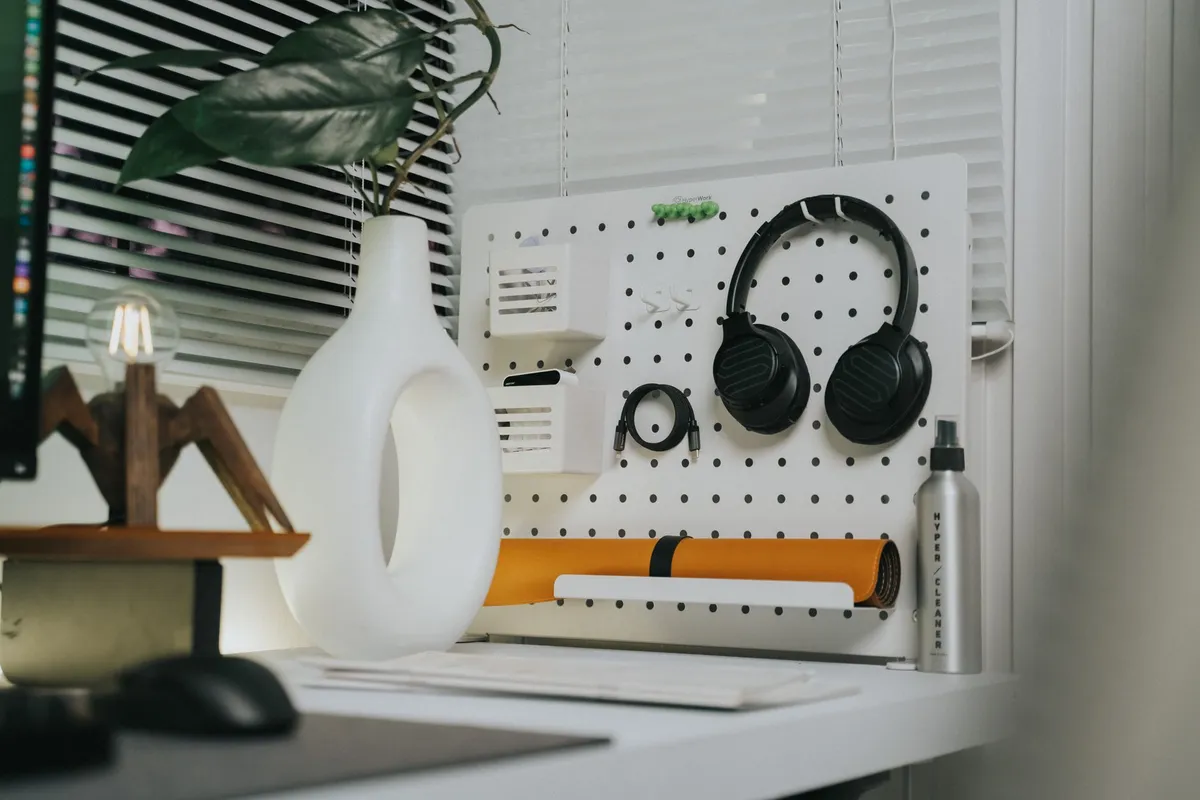
Then the desk had to be cleared, because you cannot think next to a dead mug. Then a fresh document, because the old one had bad energy in it. Margins set. Font changed twice, because the first one felt like a memo and the second one felt like a wedding invitation. Then I discovered a timer app with a little forest that grows while you focus, and it seemed irresponsible not to try it.
Two hours later I had a serene workspace, a modest woodland, and no paragraph.
The part I am least proud of is the tabs. Eleven of them, open at ten in the morning on a Monday, all comparing note-taking systems. I was reading a stranger’s four thousand word argument about whether folders are dead. I was taking notes about note-taking. I was so deep in the meta layer that I could have submitted my browser history as a dissertation, and none of it touched the actual thing I was supposed to be doing, which was writing about nine hundred words on a subject I already understood.
And here is the thing that kept me from noticing for years: it never felt like procrastination. Procrastination has a face. Procrastination is lying on the floor watching videos of people restoring rusty tools. This was tidy. This was productive-shaped. Nobody walks past your desk while you are researching the perfect task manager and says, hey, you’re avoiding something.
The setup uses the same muscles and none of the risk
That is the whole trick of it. Getting ready to work feels like work because it borrows the same equipment. You are at the desk. You are making decisions. You are typing, clicking, comparing, sorting. Your brain gets the little hit of order and progress. The room gets visibly better. Something is definitely happening.
But nothing you do in the setup phase can fail. That is the difference, and it is the entire difference. A clean desk cannot be mediocre. A color-coded system cannot be rejected by an editor. Choosing a font is a task with a guaranteed win rate of one hundred percent, and the actual work has a win rate of, on a good day, somewhere around fine.
So you stretch the safe part. You add steps. You invent standards. I once decided I could not start until I had eaten, and then decided the thing I wanted to eat required a shop trip, and I want to be clear that I understood, on the walk there, exactly what I was doing. I just also wanted the sandwich.
The cruel part is the ending. The setup always runs out. At some point the desk is clear, the playlist is playing, the timer is ready, and there is nothing left in the room to arrange. And then you are alone with the only thing that was ever actually scary: the possibility of doing it badly. Every minute of preparation was just a way of postponing that meeting. It is a close cousin of rewriting the to-do list instead of doing anything on it, and a first cousin once removed of waiting to feel ready.
The ugly start, which I resent and which works
What broke it for me was not discipline. It was giving up on the idea that a session had to begin well.
Now I open a scruffy file. It is called notes-dump and it has four years of garbage in it, and I write at the bottom of it, in whatever font it already was, sentences that are genuinely bad. Not modest-bad. Bad. “Something about how setup feels like work. Bad example here. Fix this later.” No music. Timer only if I feel like it. Chair possibly not even the good chair.
And the sentences are terrible for about nine minutes, and then they stop being terrible, and I could not tell you the exact moment it turns. That is the finding I did not want. Quality showed up after momentum, every single time, and never once arrived early to help me get going. The good version is downstream of the bad version. There is no path that skips the bad version. You can delay it, tastefully, with a forest app, but you cannot skip it.
Which also means the serene workspace was never buying me anything. I was paying two hours of setup for a first sentence that came out roughly as clumsy as it would have at 10:02.
Pick one thing, and start the clock later
Here is the version small enough to survive a real Monday.
Choose exactly one thing you are allowed to do before you start. One. Make the coffee, or clear the desk, or put on the music, or open the file. Not a sequence. Not a ritual. If you pick two, you will have five by Thursday, because rituals breed in the dark.
Then move the starting line. Do not count the session from when you sit down. Count it from when you touch the actual work, the real file, the real email, the real thing with your name on it. Suddenly all that lovely preparation is unpaid, and it gets a lot less appealing. I dropped forty minutes of ceremony in a week purely because it stopped scoring points. This is also the difference between a day that felt full and a day that was busy and produced nothing.
I still have the playlist. I just put it on after the first bad paragraph now, like a reward for a dog who finally did the thing.
The forest, I regret to report, has been allowed to die.
Frequently asked questions
Is organizing my workspace always procrastination?
No. It becomes procrastination when the setup keeps expanding and the actual work keeps getting pushed back. A quick tidy is fine; a forty minute ceremony with browser tabs is a delay tactic in a nice outfit.
What if I genuinely focus better with music?
Then keep it, but put it on after you've written the first bad sentence rather than before. If choosing the playlist takes longer than the first stretch of work, the music is not the reason you focus.
How long should the ugly start last before it gets easier?
For most people it's a handful of minutes, not hours. The rule of thumb is that if you're still writing garbage after ten minutes, keep going anyway, because the improvement arrives quietly and you rarely notice the exact moment it does.
Does this work for tasks that aren't creative, like admin or email?
Yes, and often faster. Open the real thing and do the worst possible version of the first step, then fix it before you send.